
In many countries—most notably Brazil and parts of Latin America—New Year’s clothing colors are chosen symbolically, each representing a hope or intention for the coming year. The tradition is especially strong on New Year’s Eve – or Réveillon, a French word from the verb réveiller (to wake up) that Brazilians borrowed for the major celebration that happens here on the evening and night of December 31st.
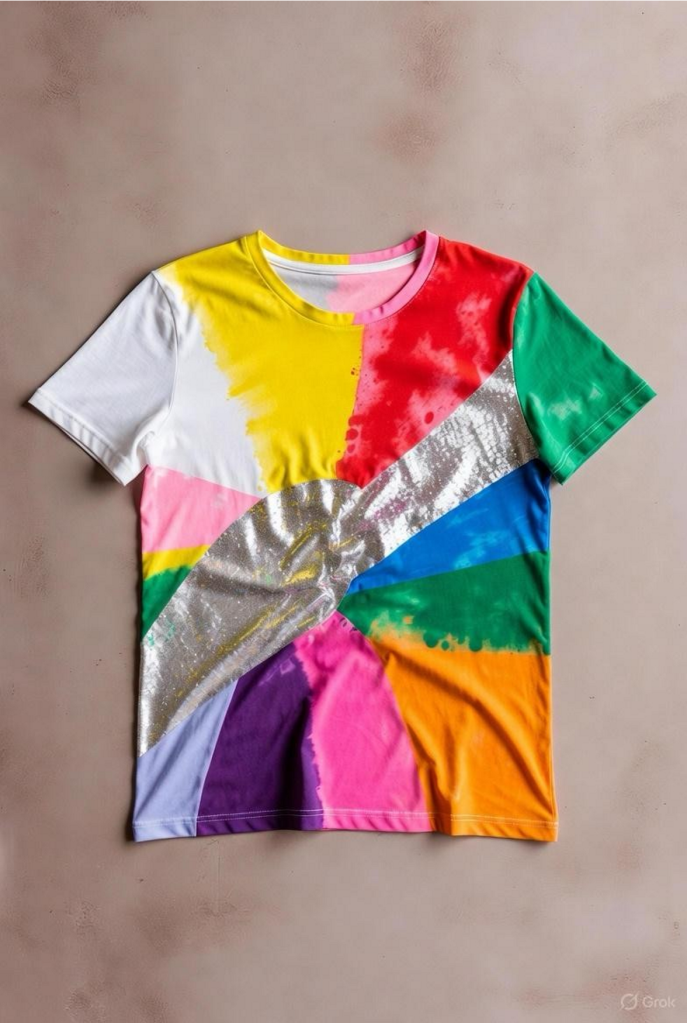
Here are the most common colors and their meanings:
- White – Peace, renewal, and purity. This is the most traditional New Year’s color in Brazil because to have peace, you need all the colors in order. White is the combination of all colors, after all. It can symbolize a fresh start.
- Yellow or Gold – Wealth, prosperity, financial success, and abundance. Gold emphasizes success and achievement.
- Red – Passion, sexuality, desire. Often worn by people seeking a spicy relationship.
- Pink – Love and romance. The usual choice for those looking for a romantic relationship.
- Green – Hope and health.
- Blue – Serenity and harmony.
- Purple or Violet – Spiritual growth, wisdom, intuition, and transformation.
- Orange – Creativity, positivity, energy, and enthusiasm.
- Silver – Innovation and modernity.
- Black – Traditionally avoided for New Year’s, as it is the absence of color, but it can symbolize protection by blocking bad energy.
- Brown – another color not very common for Réveillon, but it can mean stability and safety.
Many people combine colors—for example, white clothing with yellow or red accessories—to reflect multiple intentions for the year ahead.
Another interesting and strong tradition here is to wear a brand new pair of underwear, also following the color chart above to match your intentions.
The practice is symbolic rather than religious and is meant to focus personal intention, optimism, and renewal as the new year begins.
There are also other traditions – or superstitions, as some would call them. Here they are called “simpatias”. They are a cultural and belief system in which the practice of small symbolic acts can bring positive things to your life. Examples of them on New Year’s Eve are plentiful, since people place all their hopes and dreams for a new chapter.
Eating twelve grapes right at midnight – one for each month of the upcoming year – is a well-known Latin American habit.
Eating lentils should bring you prosperity and abundance.
In Brazil, many people avoid eating birds (like chicken, turkey, or chester) during New Year’s Eve because these animals scratch or move backward, symbolically representing going backward in life. The belief is that eating them could bring bad luck, setbacks, or stagnation in the coming year. These animals are symbolically linked to retrocesso (going backward).
New Year’s is about moving forward, progress, and opening new paths; these animals are avoided so the year doesn’t “move backward.”
Throwing flowers in the ocean is another customary ritual for some, as well as jumping over seven waves by the shore while making seven wishes. We have our flowers ready to go.
These beach-related practices are meant for Iemanja, the goddess of waters, which originated from Umbanda, an Afro-Brazilian religion that blends elements from other religions, in the spirit of religious syncretism – so interwoven in Brazilian culture. Therefore, these habits transcend religions and are practiced by everyone, regardless of faith.
Speaking of beaches, the Copacabana fireworks display is considered the largest on the planet. They last about 12 minutes but mobilize huge logistics and infrastructure efforts, such as arranging 19 boats to launch the fireworks from the ocean. They block traffic on some streets for those walking to the beach for the “virada”, or turn of the year. There is a big stage set for concerts, and people from all over the world come to Rio to experience this spectacular event.
This will be my first year celebrating New Year’s on a beach, and I’m genuinely excited to take in all the traditions and watch that fireworks display light up the sky. Of course, I’ll need a cafezinho (or two… maybe three) to stay awake, because my bedtime is usually long before midnight decides to show up.
Happy New Year to everyone! I hope you’ve enjoyed this blog, and if you have, feel free to share it with friends. Wishing you all a safe, joyful, and very caffeinated New Year.

 beingkevin.com
Leave a comment